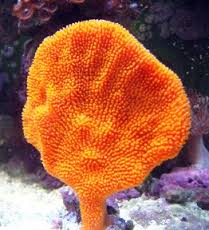
*habitat-all are aquatic and mostly marine.they are solitary or colonial.
*body form- many coelenterates like obelia is a trimorphic colony having three kind of individuals.
polyps:-nutritive zooids
blastostyles:-budding zooids.
medusae:-sexualzooids.
*symmetry- radial
*germ layer-diploblastic
*level of organization-tissue level
*body wall- it consists of two layers of cell epidermis and gastrodermis, and the gelatinous layer between them is mesoglea.the epidermis consists of many different cell:-
epitheliomuscular cell
cnidoblast
interstitial cell
nerve cell
sensory cell
*digestive tract-incomplete tract , the body cavity has only one opening
*digestion- both intra and extra cellular digestion
*respiration and excretion- diffusion by body surface.
*nervous system-premitive form of nervous system is found.
*skeleton-in some coelentrates calcareous exoskeleton or endoskeleton is found.
*reproduction-both sexual and asexual reproduction is found.
*development-the cleavage is holoblastic, and both direct and indirect development is found.
*cnidaria are divided into three classes on the basis of dominance of polypoid and medusoid phase.
1. hydrozoa- polyp and medusae are found
2. schyphozoa-they are represanted by medusae
3. anthrozoa- they are represented by polyp form.
*some scientific and common names of coelentrates-
Obelia- sea fur
Physalia-portuguese man of war
Porpita Velella-by the wind sailor
Aurelia- jelly fish
Gorgonia-sea fan
Metridium-sea anemone
Alcyonium-dead man's finger
Tubipora- organ pipecoral
Astraea-star coral
Pennatula-sea pen